
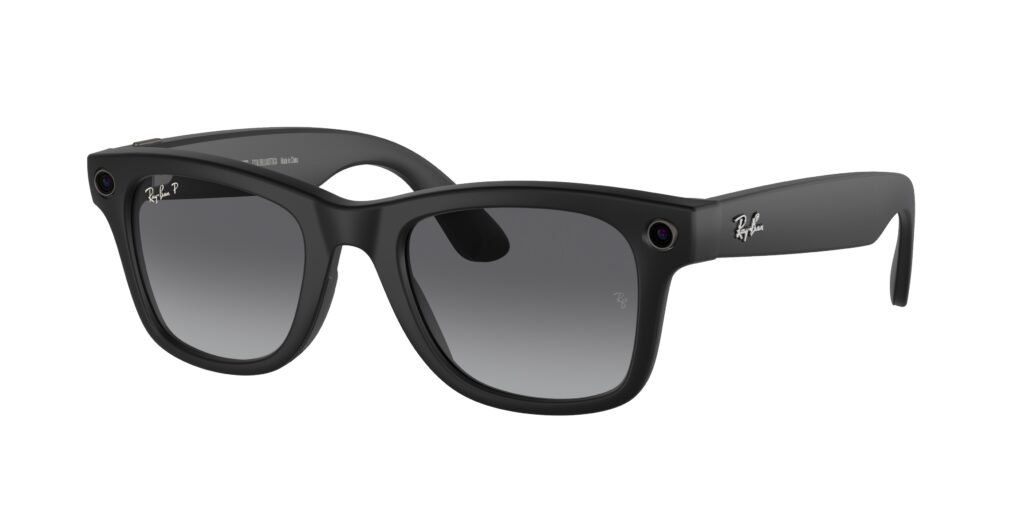
For years, Mark Zuckerberg wanted Meta to be more than a social media company. He envied Apple with its huge hardware business and decided he wanted his own hardware. He attempted to create a phone, but that never made it to market. Then there was the Facebook Portal for the home, a device for the home with a display, microphone and camera that never sold well because few trusted him with an always-on home camera and mic. Now, after billions of dollars and several false starts, Meta appears convinced that smart glasses are the future.
Industry reports suggest Meta has multiple new smart-glasses products in development, including devices with increasingly sophisticated cameras, sensors, and micro displays. According to reports from The Information, one prototype under development could feature “supersensing” capabilities—essentially always-on cameras continuously monitoring the wearer’s surroundings.
Meta describes their augmented vision as being very useful. The glasses might remember where you left your keys or provide contextual reminders. They could help you remeber the name of a person or even identify a stranger in front of you. But critics see a company whose business model has always relied on collecting personal data and finding new ways to collect even more. If Facebook was about tracking what people share online, smart glasses represent an opportunity to track what people see, hear, and do when they’re offline.
Then there is this new twist. Former Wall Street Journal columnist Joanna Stern recently investigated a growing underground business offering “Stealth Mode” modifications for Ray-Ban Meta glasses. For around $100, individuals advertise services that disable the LED recording light designed to alert nearby people that video is being captured.
The service is reportedly being promoted on Facebook Marketplace. (Of course it is!) People are using a Meta platform to find individuals who will modify a Meta device so they can secretly record strangers without the visual warning Meta itself installed.
The recording light was originaly included because privacy advocates, regulators, and ordinary people immediately recognized the obvious problem with focusing a camera on someone’s face. The LED was intended to provide an alert to tell us when recording was taking place.
Most people behave differently when they know they’re on camera. They can object. They can move away. They can choose not to participate. Without the indicator, you could be photographed or even streamed to the world without your knowledge. People could be recorded in restaurants, stores, schools, offices, parks, gyms, and countless other locations without any indication that a camera is operating. Conversations could be captured. Children could be recorded. Private interactions could be documented and uploaded before anyone realizes what happened. Even if most owners never abuse the capability, the technology only needs to be misused occasionally to undermine public trust.
Sure, the technology being used in the glasses is impressive. As someone who has developed consumer electronics, I can appreciate the engineering achievement required to squeeze cameras, batteries, processors, microphones, speakers, wireless radios, and AI capabilities into something that looks like an ordinary pair of glasses. And there are many good applications for these glasses in aiding the disabled.
History suggests that some skepticism is warranted when it comes to Meta. The company’s most successful products have always depended on gathering, analyzing, and monetizing information about our behavior. The scariest part isn’t that people are finding ways to hide the recording light. It’s that enough people want to do it.
