
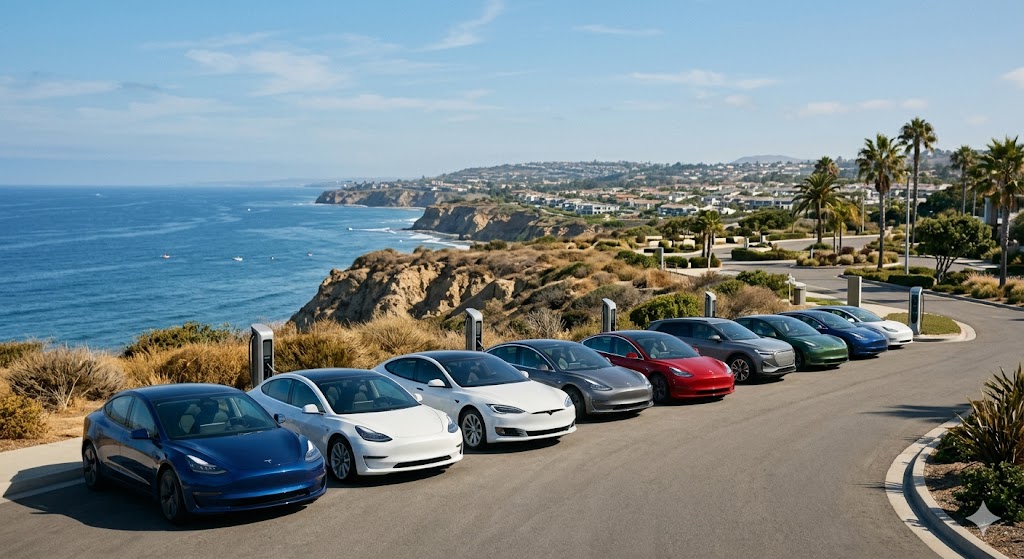
Many new EVs announced earlier this year are now reaching the dealers, and I’ve been trying out a number of them. I began looking at those in the $30K-$45K range, knowing my EV lease is up at the end of the year and I might be in the market for one.
Compared to three years ago when I leased my Lexus RZ ($63K with a $15K rebate) these models offer greater range, quicker charging and lower prices, even without the government rebates. Most now have a 300 mile range, up from the low 200s. Most have changed their plug-in ports to work with Tesla chargers, although not all charge as fast as a Tesla.
The table below summarizes what’s in this price range:
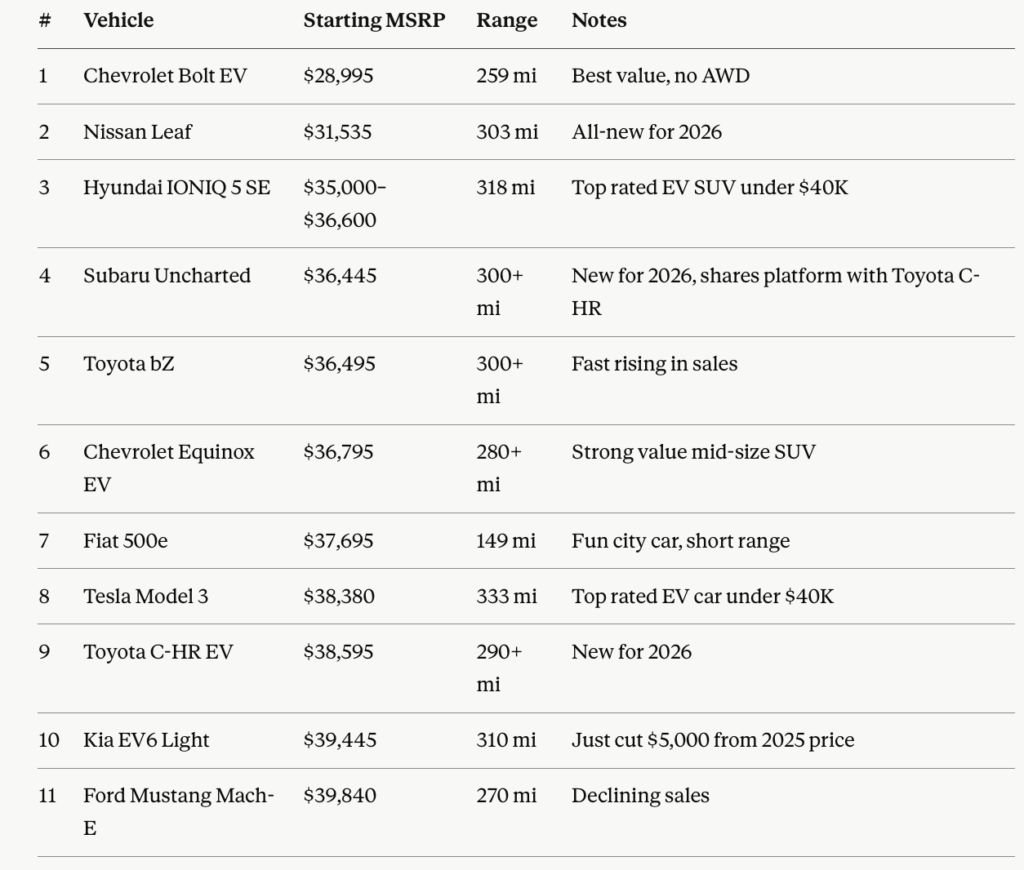
Surprisingly, for a company that has poo-pooed EVs, Toyota has released a half dozen models over the past few months, substantially based around one platform. (As for newer designs, they are scrapping development of a mass-production model of the LF-ZC electric sedan under its Lexus luxury car brand.)
They have upgraded the Toyota BZ and Subaru Solterra and introduced two smaller cars, the Toyota C-HR and Subaru Uncharted. (Subaru’s EVs are Toyotas with minor changes). Along with the Lexus, all of these cars are built with the same battery size, 74.7 kWh. They provide similar ranges and charging speeds, and use some of the same interior hardware such as displays, stalks, heater controls, etc. The major differences are in their overall size and style, the extra ammenities, and sportier trim. Each can be ordered in a higher trim level for about $5K more that adds an electronic rear view mirror, larger tires, self-parking, 360 camera view, 4-wheel drive, and nicer interiors.
The Uncharted and The C-HR are quite similar, although the Uncharted seemed a but sportier with its squarish steering wheel and some of Subaru’s nod to its off-road heritage. Both ran quietly and had the same displays and controls. Their pricing is not much different than the larger Solterra and BZ.
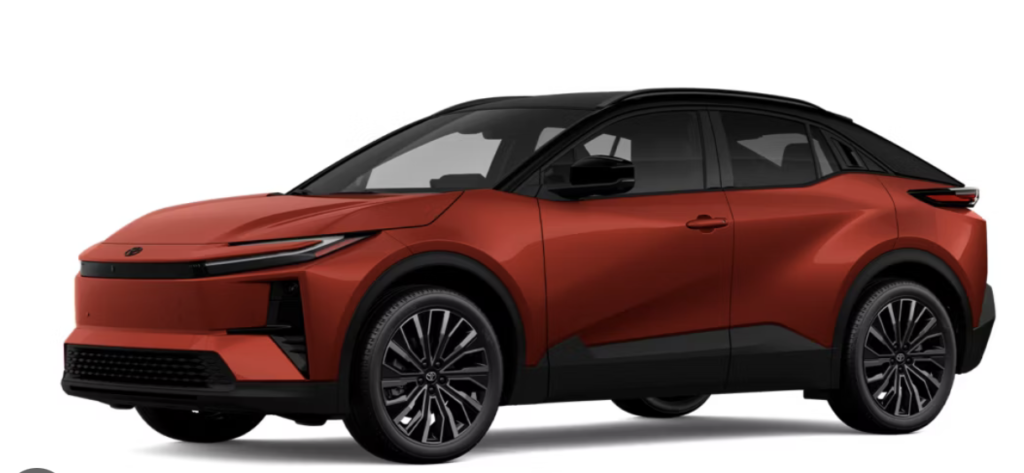
Toyota C-HR
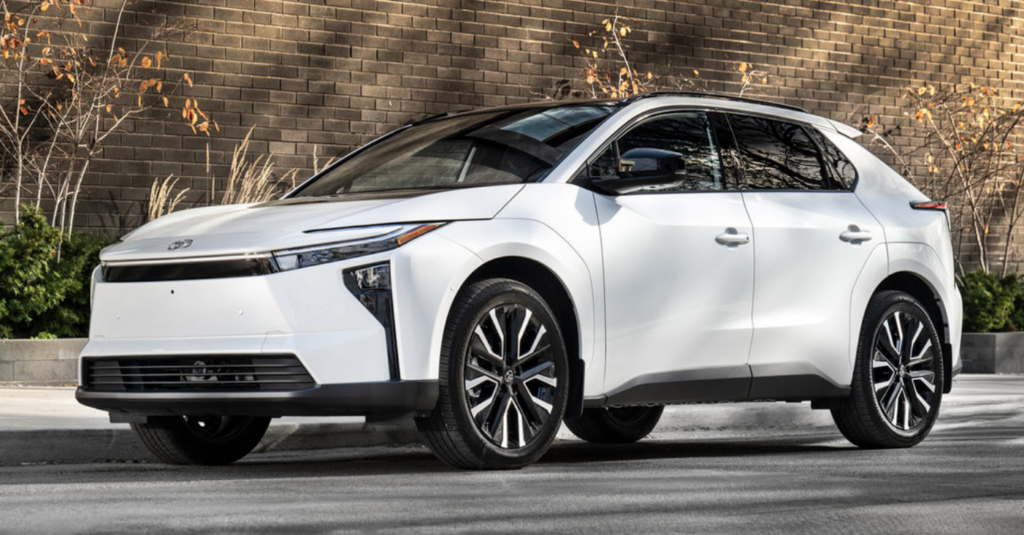
Toyota BZ
Toyota has taken a more conservative design approach with fewer advanced EV features and fewer technology add-ons. None offer the ability to automatically route you to a charger on a long trip or automatically precondition your battery before charging. Their displays are more conventional and don’t provide as much detail about the state of battery. Yet as Toyotas, they offer good reliability and a strong service network.
If you’re looking for a car with the most high tech features and the most advanced EV platform, the Hyundai Ioniq 5 and Kia EV6 are standouts, especially at their new lower prices. Now in their fourth year, they charge in just a few minutes and offer plenty of range.
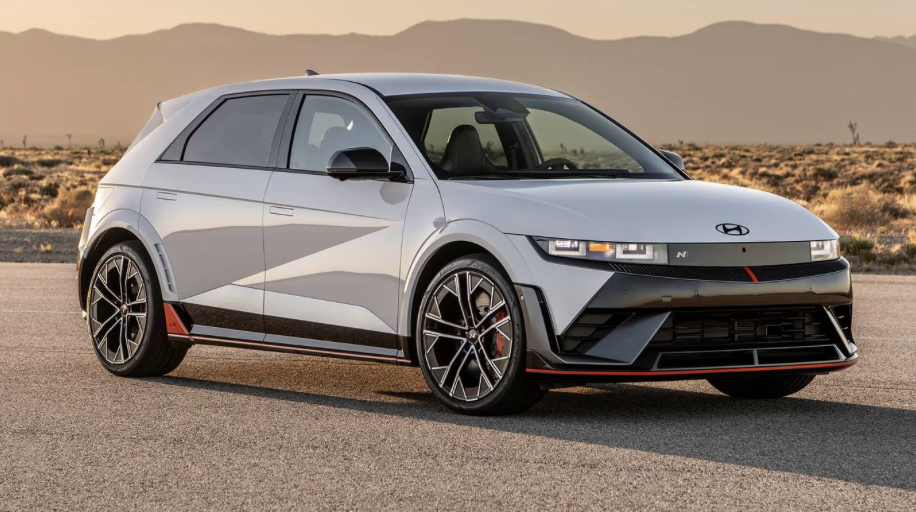
Hyundai Ioniq 5
Their interiors are futuristic and very well done with convenient and easy to use controls. They have sweeping LCD displays across most of the dash and have all many advanced features that set them apart. They can route you to a charger on a long trip, knowing when you’ll be running low. They display your blind spot on the dashboard when you change lanes, they back out of a parking space on their own, and their interiors are roomy, modern, and sleek. Driving the Ioniq 5 was fun. The car handled well, the inside was quiet, and the seats were comfortable with lots of room.
All of the new models from Toyota, Hyundai, et al have added resting spaces between the seats for your phone. They’re equipped with inductive charging to charge your phone when you lay it down. The Toyota provides two side by side spots, and Hyundai a single spot. Interestingly, because many of the new phones have a camera bump on the back, none of the Toyotas worked with my iPhone 17 Pro in a medium-sized Mous case, but the Hyundai had worked fine.
Unfortunately, Hyundai and Kia have a serious issue, a defect that has stranded owners when the car simply stops. The problem relates to their ICCU unit that continues to plague the cars since their introduction. The ICCU — Integrated Charging Control Unit — bundles all the charging controllers, current converters, and power components into a single unit, and can unexpectedly fail. Hyundai has been replacing the unit for several years now, but the problem still persists. It affects 2%-10% of the cars, but those affected report that they have had to wait for weeks and often months for a fix. Consumers Reports flags these cars for reliability issues. I had this car near the top of my list until I learned of this issue and now will avoid it.
GM has an ever expanding line of affordable EVs including the Bolt, brought back for a “limited run.” In fact, the Bolt would be a great choice for many because of its 300 mile range and under $30K starting price. But I’ve ruled out all new GM EV cars because they have removed Apple CarPlay and Android Auto, eliminating access to most of our phone apps. Instead they require you to subscribe and use their apps. It’s a terrible decision in my opinion.
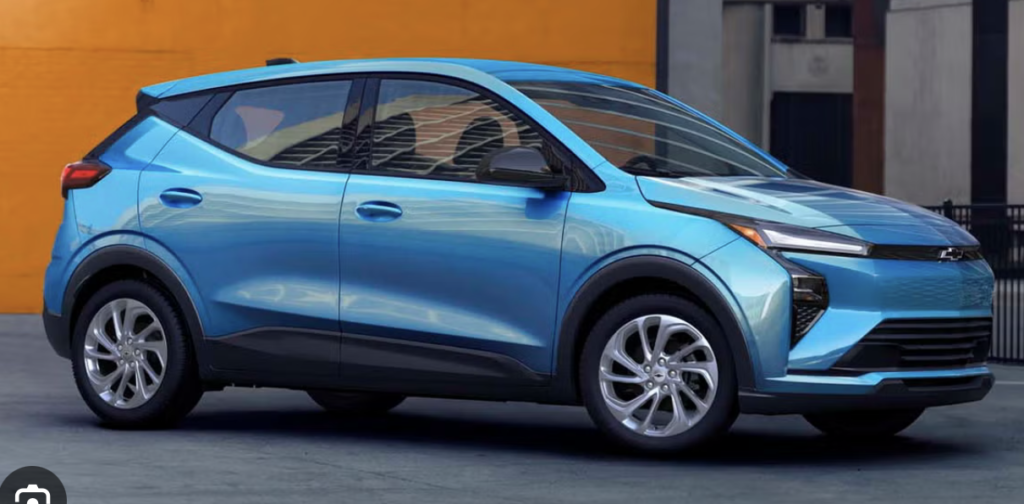
Chevy Bolt
Ford offers the Mustang Mach-E, which is an excellent car that is sporty and fun to drive, although it’s an older design that hasn’t changed much over the years.
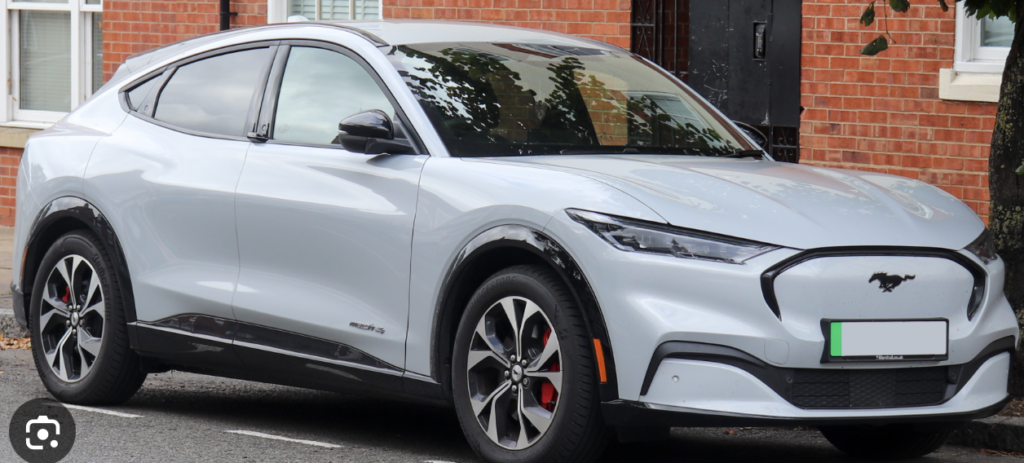
Ford Mustang Mach-E
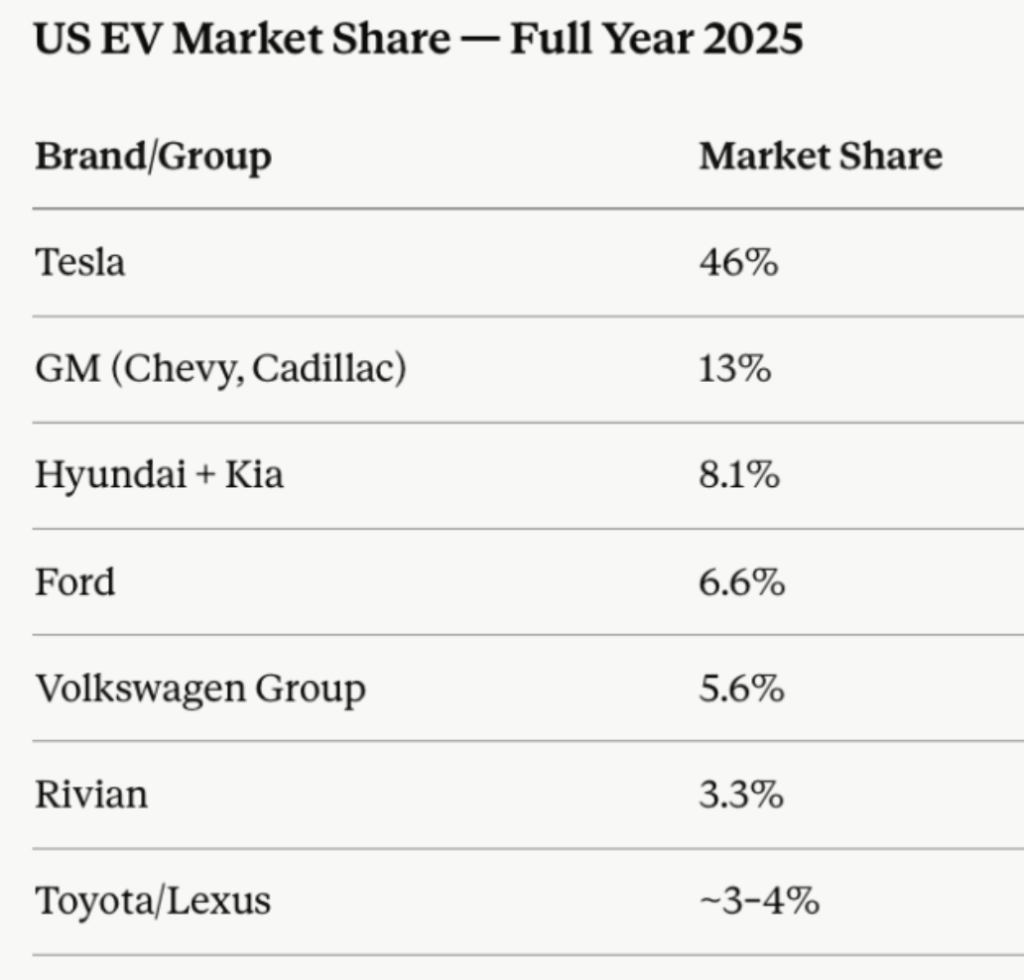
Last but not least, Teslas remain very competitive and represent almost half of all EVs being sold today. in the U.S. It’s off my radar because of Musk. But don’t buy it for its self-driving capabilities. A report just out says that they’ve been fudging the stats, saying that their self-driving is 10 times safer than a human driver., and it’s been confirmed by former employees. Of course that means it’s still 3 times safer, but it hsows how immoral and distrustful Musk is.
For now my preference is one of the Toyota built cars as I continue to try them all.
