
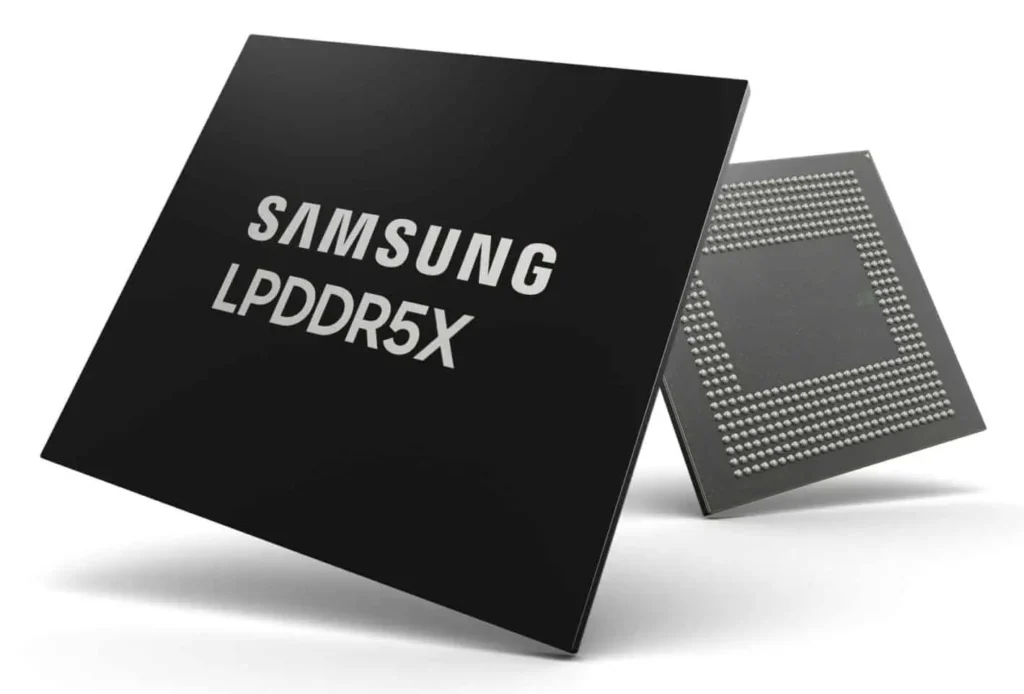
If you’ve been putting off upgrading your smartphone or laptop, you’ll want to understand the impact on pricing due to a combination of recent issues — artificial intelligence, trade policy, and memory chip shortages — issues that are raising the prices of many consumer tech products.
Analysts are calling this RAMageddon, the sudden demand for memory chips. AI data centers being built by Google, Microsoft, Amazon, OpenAI, and others are using huge amounts of these chips — specifically two kinds, DRAM and NAND — at a historically unprecedented level. Unfortunately, these are the same memory chips used inside our phones and computers.
DRAM (dynamic random-access memory) is short-term memory where data is constantly flowing in and out of the chip — it’s what allows your phone to run multiple apps simultaneously and your laptop to switch between windows and applications without slowing down. The cheaper NAND flash memory is used for static storage for files such as photos, apps, documents, and the operating system.
AI server demand has caused their cost to rise 50% in just the past three months. Both are produced by a limited number of manufacturers — primarily Samsung, SK Hynix, and Micron that account for 90% of the supply.
As a result, Counterpoint Research estimates the average smartphone selling price will rise nearly 7% this year or about $40. Budget phones and notebook computers in the $200-$300 range will experience the sharpest rise because the memory chips represent a much larger share of the total cost of their components than they do in a $1,200 product. Premium devices from Apple and Samsung may be better insulated against a rise due to their long-term supply contracts and the ability to spread component costs across higher cost products.
But less so the lower cost products. My friend Joe Brancatelli bought a $300 14-inch PC notebook several months ago on Amazon. It was one of the numerous “no-name” brands available directly from Chinese companies that buy components to create short runs of some incredibly low cost computers. Amazingly, it came with 32GB (DRAM) memory and 1TB of NAND. Joe noted that the computer now costs $360, most likely due to the increase in memory cost..

With the increased memory cost, it was interesting timing to see Apple introduce their low cost MacBook Neo for just $599 ($499 with an educational discount.) While I’ve not tried one yet, the reviews have been stellar. The quality of the screen, keyboard and aluminum housing, and particularly its iPhone processor, are a cut above their Windows’ competitors.
Manufacturers typically are paying $25–45 per 8GB DRAM chip at current spot prices, up sharply from about $7–8 just a year ago. Apple can easily absorb the increase in cost. In the past, Apple has made near obscene margins on memory upgrades to their products, typically charging $100 or $200 for a memory bump that cost as little as $20 or $40. They should be able to keep their retail prices steady- if they want to.
Tariffs on electronics manufactured in Asia are another unknown. Currently they add 10 to 15 percent to retail prices -but they can easily go higher depending on the whim of you know who.
Electronic shortages are nothing new. When they do occur new manufacturing usually comes on line a couple of years later as manufacturers ramp up to meet demand. All of this assumes the price of oil will come down and Taiwan will not come under attack from China – either of which would have a devistating impact on chip manufacturing.
In the meantime, upgrade now if you’re considering a lower cost phone or notebook. With regards to iPhones, there isn’t an urgent reason to buy now. Better yet is take advantage of the free phone deals being offered by most of the carriers. If you play the game carefully, you can get free phones by switching carriers, or sometimes even threatening to do so. That has a much greater financial impact to you than the added cost of memory.
