The World of Coffee trade show is in San Diego this week hosting visitors from around the world. Here are some thoughts after touring the exhibit hall filled hundreds of companies displaying their products.
San Diego is home to more than 80 independent coffee roasters, surpassing larger coffee capitals like Portland, Los Angeles, New York, and Chicago. So when the world’s most important coffee trade show scheduled this year’s event, San Diego was a natural.
World of Coffee San Diego ran April 10–12 at the San Diego Convention Center, with over 15,000 attendees from more than 90 countries. After thirty years, the previous Specialty Coffee Expo was rebranded as World of Coffee, with San Diego hosting the first North American event under the new name.
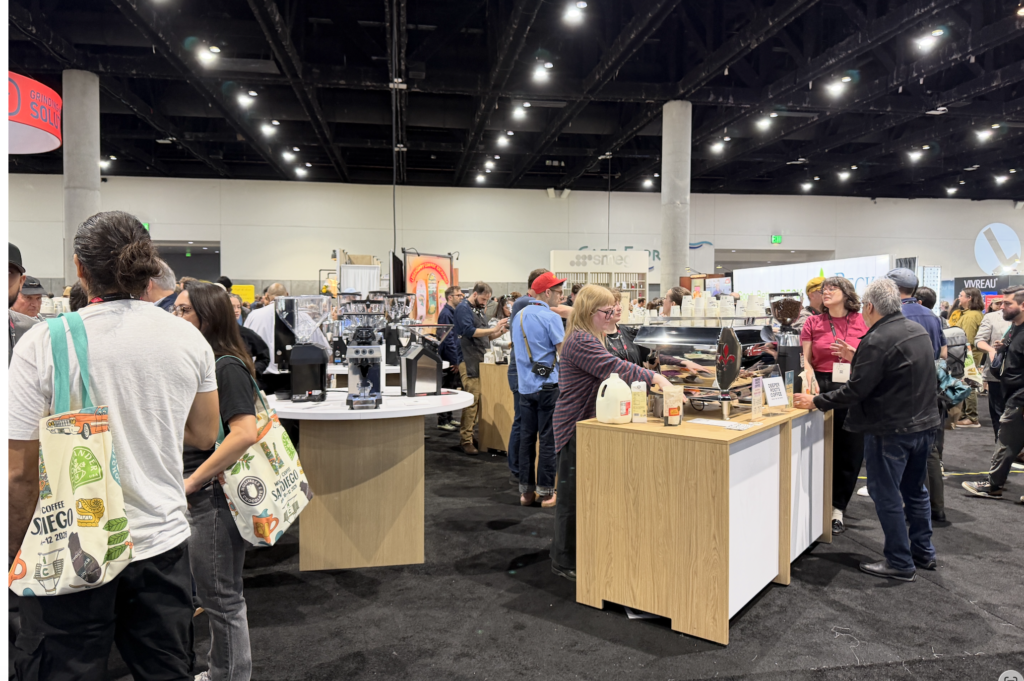
The event was their largest trade show ever held. Attendees had access to over 60 lectures by industry experts and a trade show floor with products and services from over 650 exhibitors. The show floor included espresso machines, green coffee roasters, coffee importers, packaging machinery, coffee grinders, drinkware, and even milk suppliers.
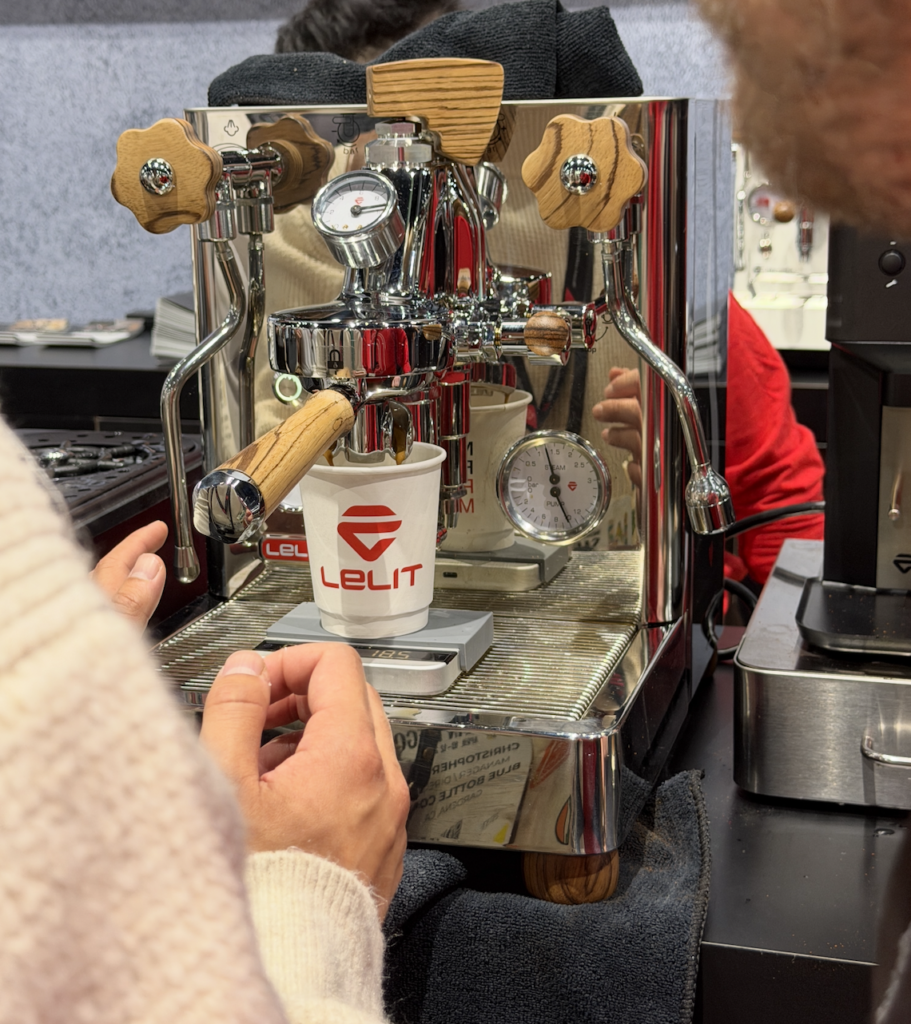
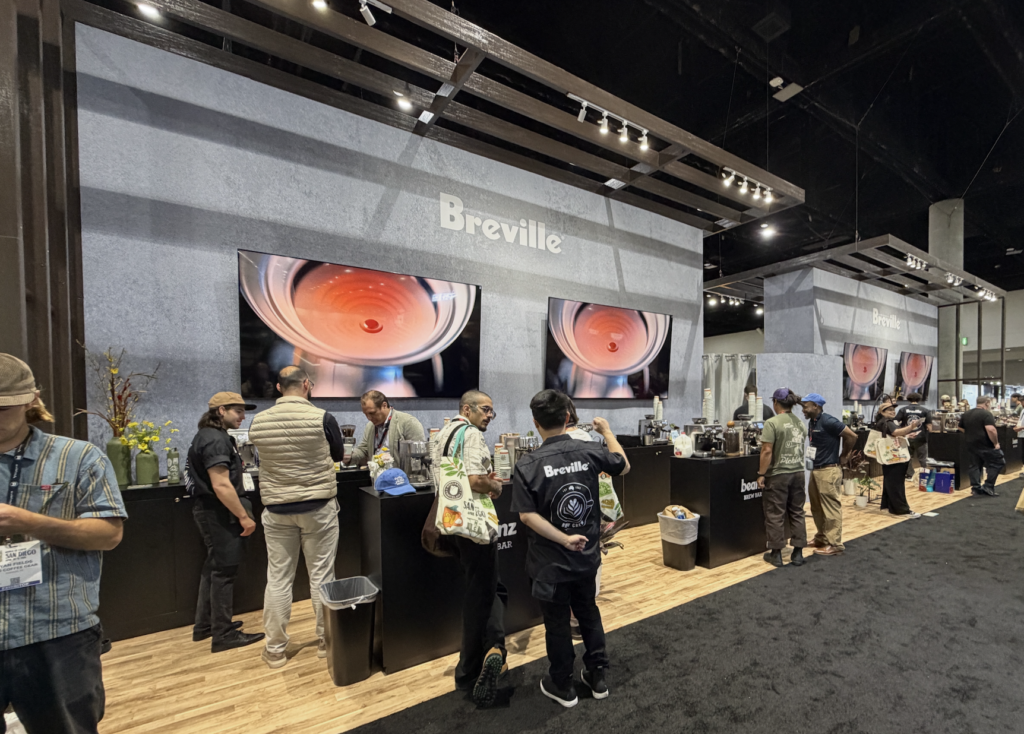
As a coffee lover – I roast my own coffee using a twelve year old Gene Cafe home roaster and use my La Marzocco Mini home machine everyday – I’m familiar with much of the home equipment, an area that seems to be booming. Breville, one of the most successful makers of home equipment, had a big display showcasing its line of semi-automatice espresso machines and it’s new Baratza Grinder acquisition. Fellows, a company known for its modern looking coffee equipment showed thir first espresso machine.
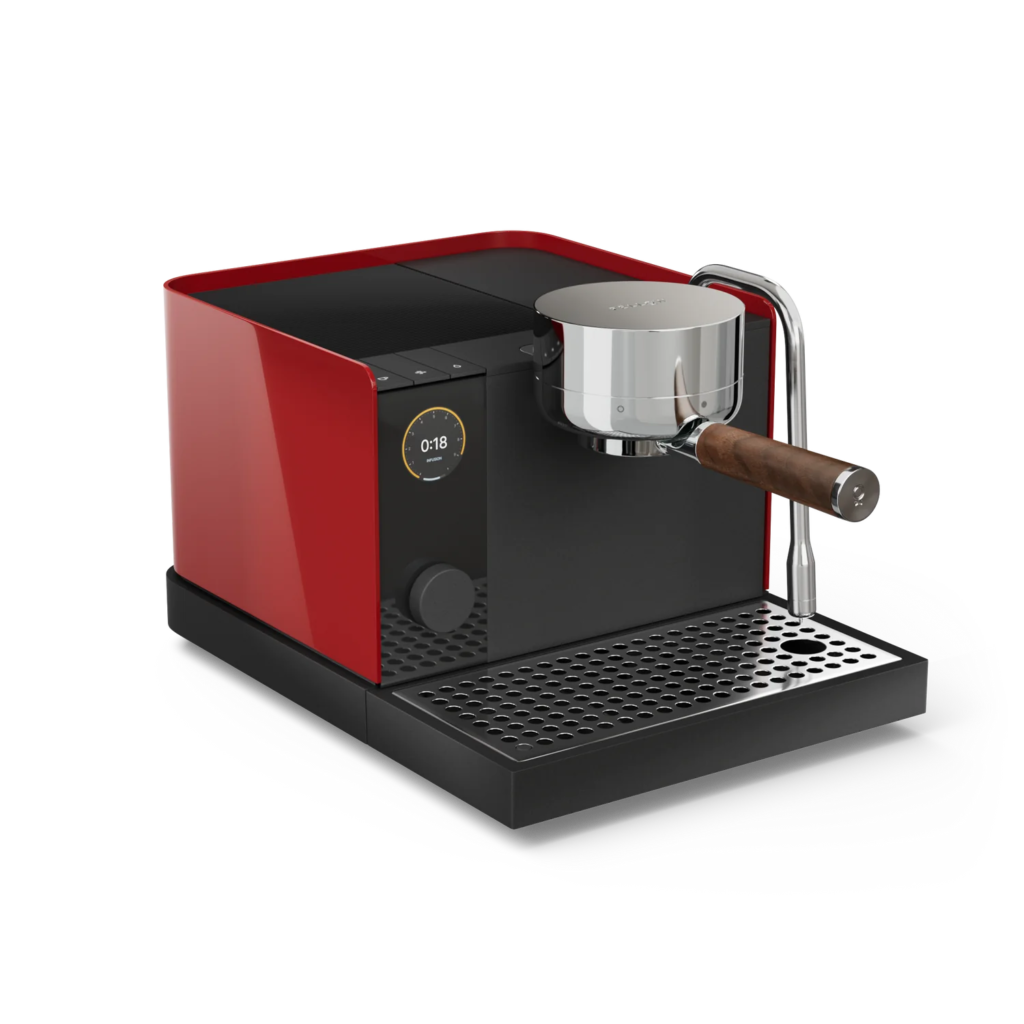
Fellows Espresso Machine
One of the most interesting areas was the Producer Village, dedicated space where coffee farmers and origin-country distributors could meet face-to-face with roasters and buyers. It reflects a push in the specialty coffee world toward direct trade with the growers, cutting the distance between the farmer who grows the bean and the barista who pours it, and providing more income for the farmers by eliminating the middlelmen.
Colombia served as the focused country, with coffee tastings and cultural programming held over the three days. Colombia is not only one of the world’s premier coffee growing countries, but has increasingly become central to discussions about price equity, climate change, and sustainable farming practices.
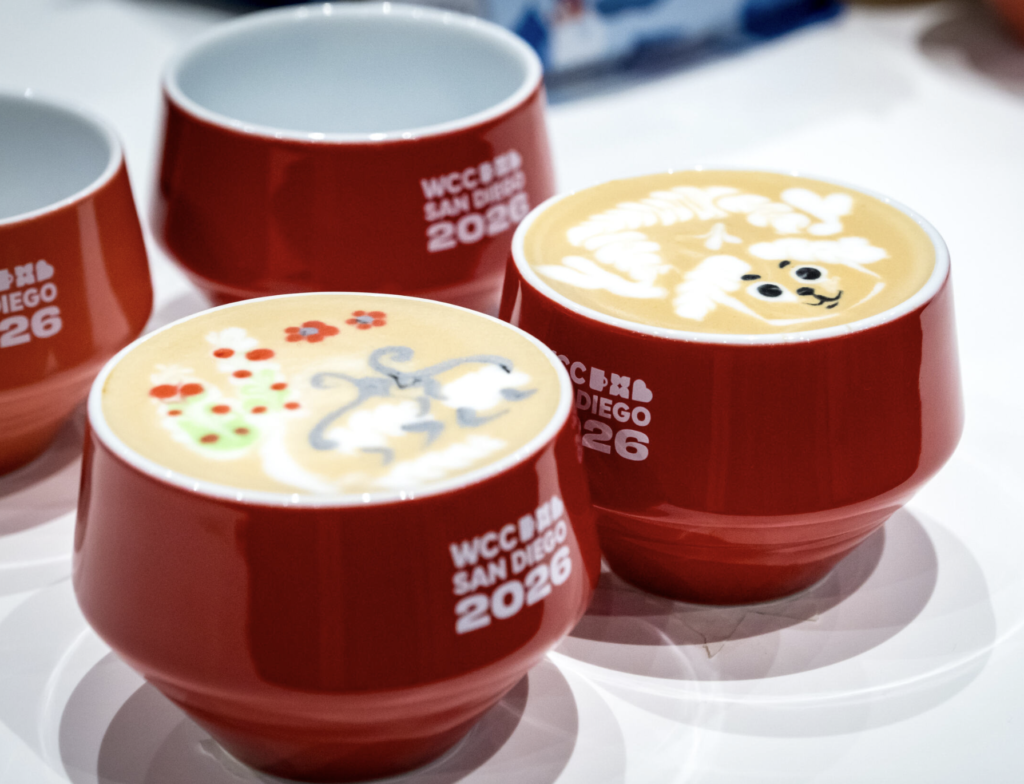
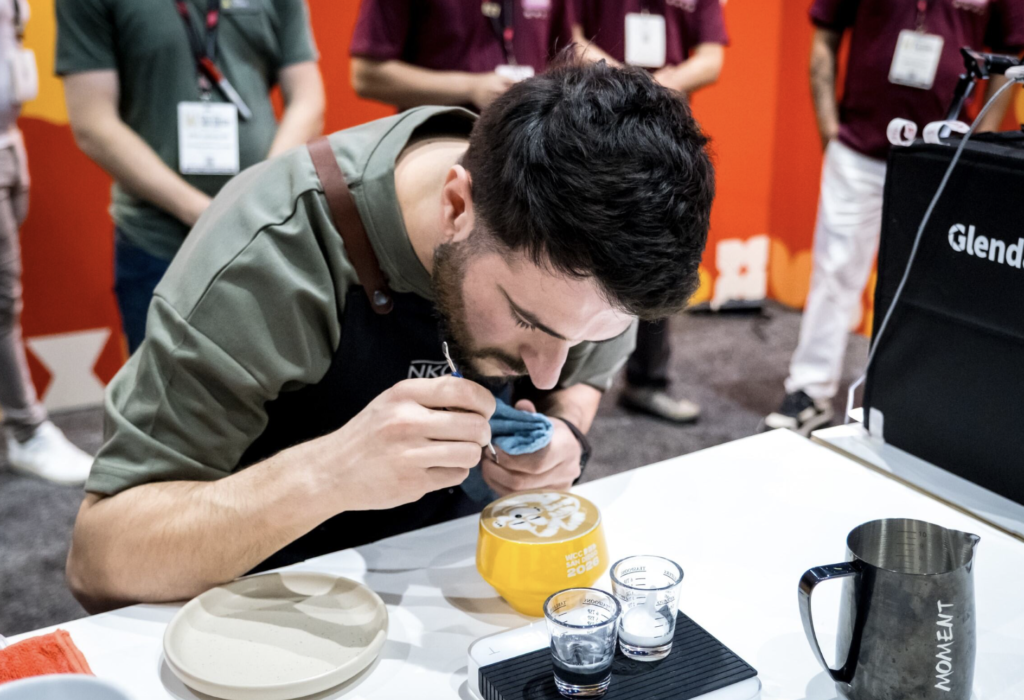
On the competition side, the World Latte Art Championship brought baristas from around the world to compete for the 2026 title in a three-day showdown celebrating the artistry and technical mastery of milk and espresso. Latte art competition is less about the pretty leaf in your flat white and more about extraordinary precision. Participants spent months perfecting patterns that exist for seconds before someone drinks them.
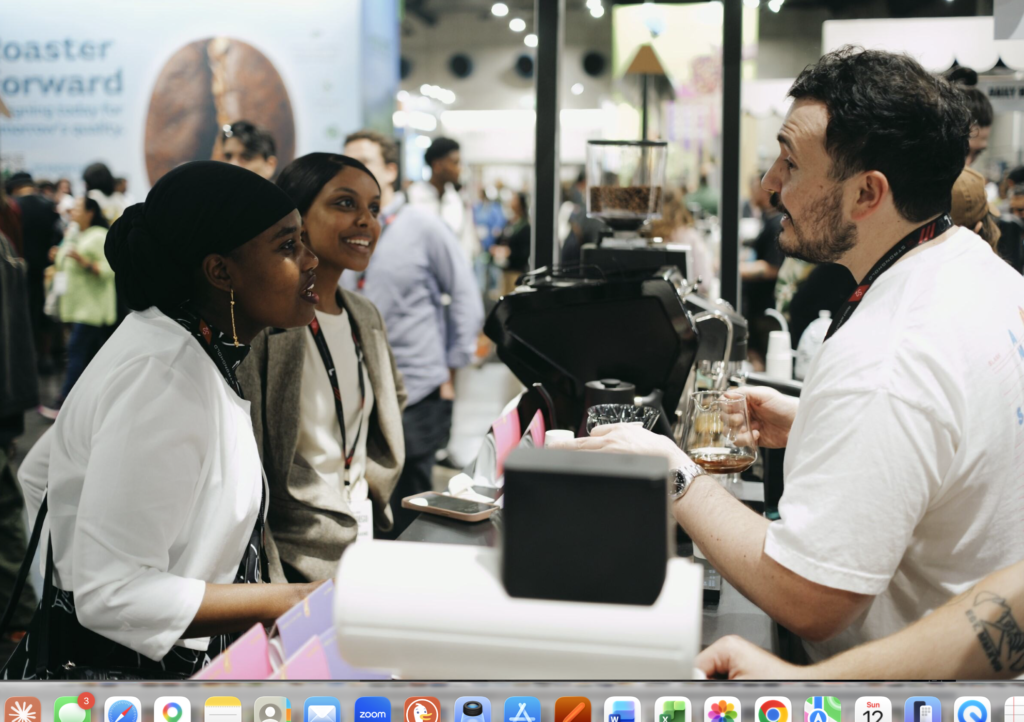
Assorted images from the show below
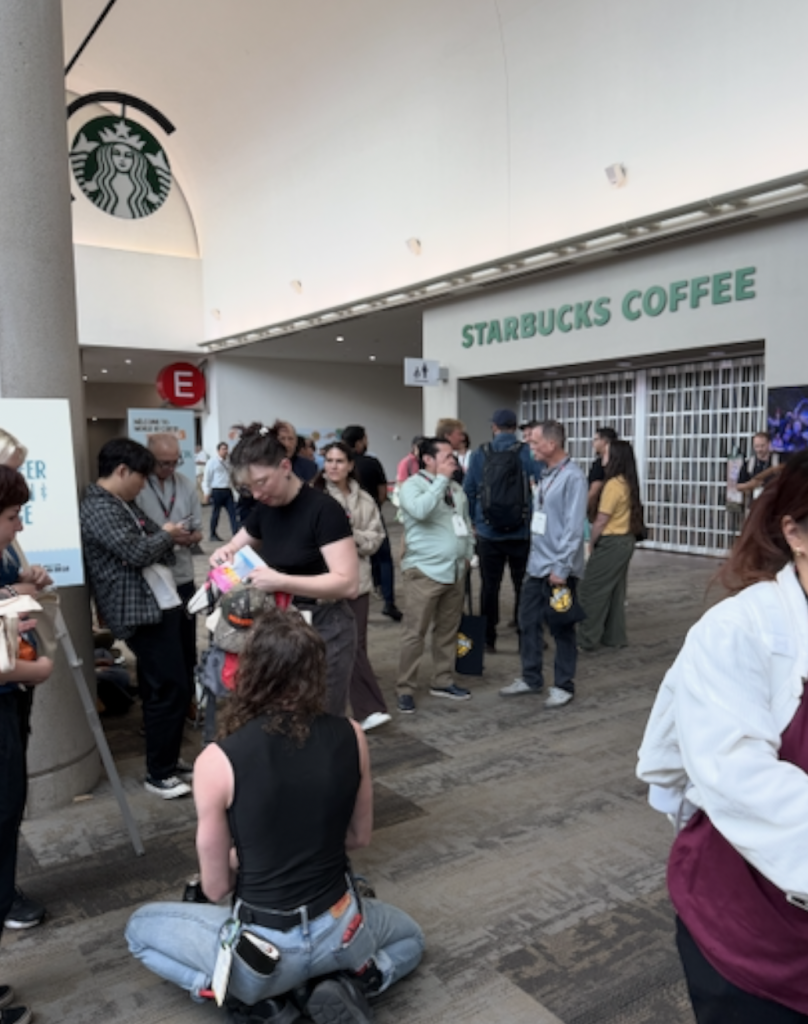
Ironically, there was one place at the Convention Center that was not busy. Just outside the doors to the exhibit hall was the lowly Starbucks store – closed for the duration of the event.