
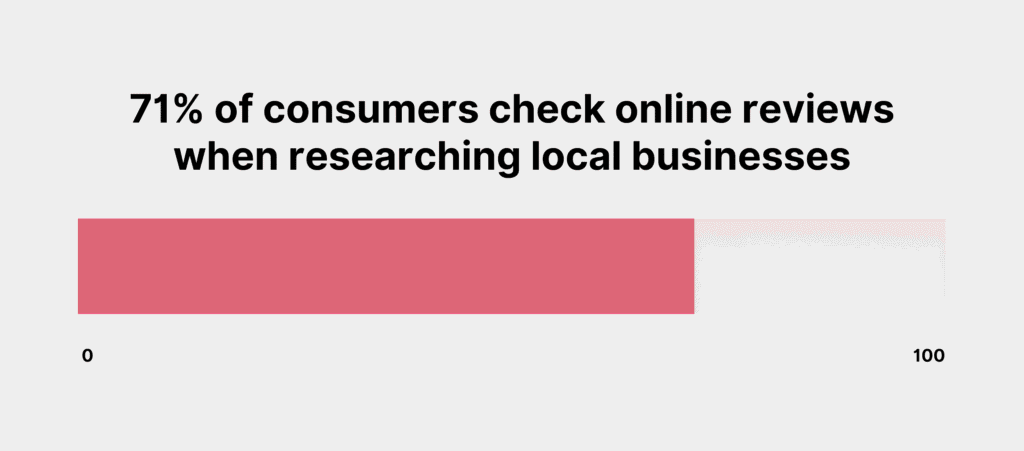
As noted in my previous column, online reviews have become one of the most powerful tools we’ve had to make informed purchases of products and services. From choosing a tradesman, contractor, or restaurant to buying appliances and electronics, user-generated reviews give us visibility into other people’s experiences. They help democratize information and hold businesses accountable in a way that simply wasn’t possible before the Internet.
But as with many Internet advancements, there are those that abuse, game, and manipulate the system, especially when reviews can make or break a company. That’s because most of us use reviews to make expensive purchasing decisions. Managing reviews has now become an industry onto itself.
A study by an FTC economist found that not all ratings platforms have equally accuracy in their ratings. On Google, Facebook, and HomeAdvisor, low-quality businesses based on the number of consumer complaints tended to have relatively high star ratings — on average around 3.5 stars — compared with Yelp and Better Business Bureau scores, where poor businesses showed much lower ratings. Yelp’s review texts were longer and more detailed, while nearly half of Google reviews contained fewer than 100 characters, with many having no text at all.
A 2025 industry analysis found that among reviews, roughly 10.7% on Google, and 7.1% on Yelp are fake or manipulated. Smaller but significant rates were found on TripAdvisor and Facebook. And much of this is before the use of AI, a new source of manipulation.
In August 2024, the FTC finalized a new rule that bans the buying or selling of fake reviews, prohibits a business from posting or soliciting reviews from non-customers or insiders, and outlaws suppressing negative feedback or misrepresenting controlled sites as independent review sources. Violators can now face civil penalties, although its unclear how well these rules will be enforced.
Despite the rules, savvy businesses and scammers continue to use a variety of deceptive techniques to manipulate reviews: Some companies offer incentives (discounts, gifts, or cash) in exchange for positive reviews, or pay third-party services to generate the reviews for them.
On several occasions, the seller of a product I purchased on Amazon has contacted me, asking for a review, or asking that I remove a poor review in exchange for a refund or free gift. I’ve not accepted, because it’s unethical and a violation of Amazon’s rule that could lead to the termination of your account. However, leaving a bad review is often an effective way to get the attention of a seller if you need them to fix a problem.
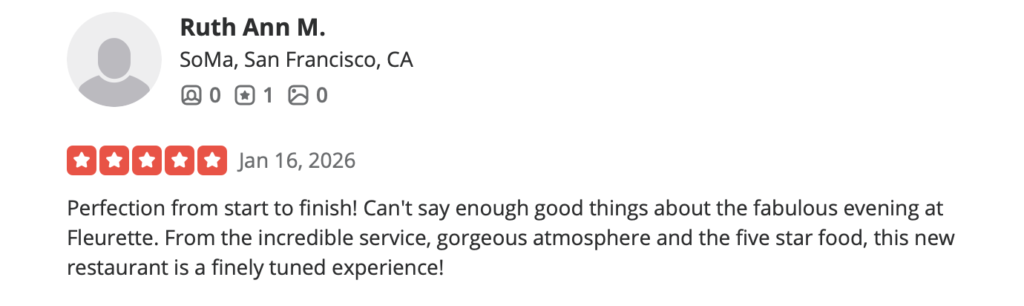
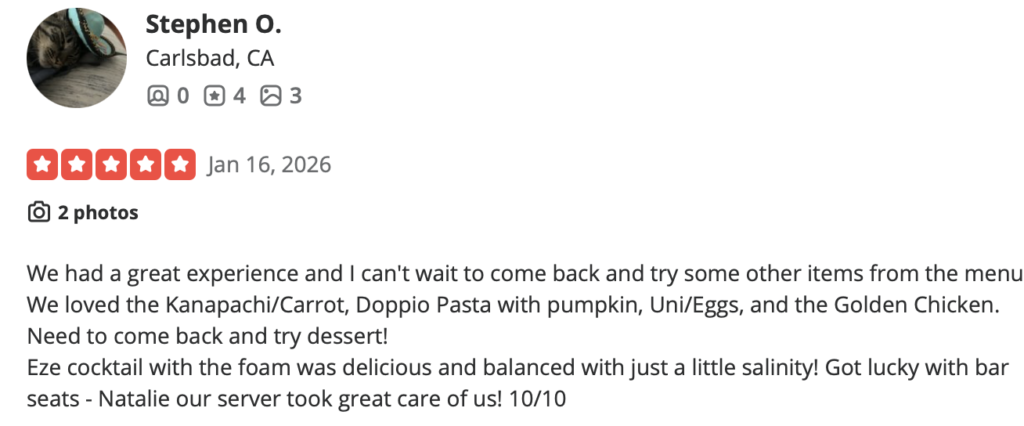
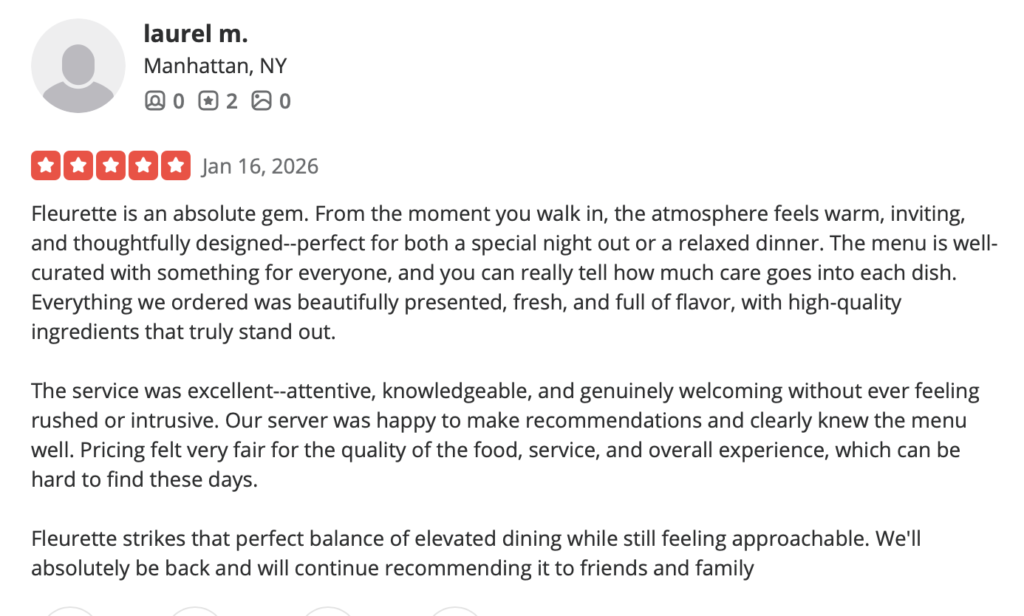
Scammers often create clusters of fake reviewer accounts or employ bots to rapidly inflate ratings. These patterns often come with many reviews posted around the same time or from newly created accounts. They are easy to spot and as In this example below for a recently opened San Diego restaurant, whose ratings have been lower than expected.
Note the cluster of reviews are all new accounts with very few prior reviews (the center number under reviewer’s name), and they were all posted on the same date. They look suspicious, although it’s just my opinion. When using Yelp, I arecommend changeing the sort option from Yelp Sort to Latest, in order to see the most recent reviews which are more relevant.
Newest First
Companies also use another more extreme method to increase their ratings: acquire or rename their business to escape their low review scores.
I experienced this when calling a plumber I had used for many years and found a different company answered called Goettle their phone. I quickly checked their reviews before asking them to unclog a bathroom drain. My experience with them was a disaster. They tried trying to convince me to repipe my home, saying the drain stoppage was under the house. (It wasn’t; a secong plumber unclogged it in ten minutes.) That’s when I looked more carefully at the dates on Goettle’s reviews and realized that when they purchased the first company, they rolled their reviews into theirs, giving them a much higer score. Checking reviews by date showed the five-star ones were from the acquired company and the bad ones were more recent. A year later, after receiving many one star reviews, their Yelp page now directs you to another company they bought, using the new name and that companies stash of good reviews.
I’ve learned that there’s no perfect review platform, but some are generally more trustworthy than others if used carefully:
Yelp – Generally features longer, more detailed reviews with text required alongside star ratings. It also applies automated filters and moderation to diminish low-quality or fake content. Earlier in their history many complained that they would remove or highlight reviews based on whether the business had a paid account, but they seem to be better now.
Better Business Bureau – Provides not just ratings but detailed complaint histories and resolution records, giving insight beyond simple stars. Some say they are no longer objective and afavor companies that are paid members.
Google Reviews – Ubiquitous and convenient, but star ratings alone can be misleading without substantive text. Still Google reviews are much better for international use and, combined with Google maps, is a great way to locate the highest rated restaurants and hotels near the location you specify.
Industry Specific – For travel, Trip Advisor, and for home service, Angi, HomeAdvisor, Thumbtack.
Look for reviewers with a history of varied, authentic posts. Accounts with one or two reviews — especially all highly positive — are suspicious. On Yelp you can click on the reviewer and see their other reviews and know whether they are constant complainers or balanced and thoughtful.
Ignore extremes. Overwhelming positivity or trashing for a silly reason should raise eyebrows. Balanced reviews that mention strengths and weaknesses tend to be more reliable. And if scammers can use AI, so can we. Try asking AI for the best rated option and it often will check several rating sites and return a helpful answer.
Online reviews aren’t perfect, but their today’s best option by offering the insight of many that no salesperson, ad, or label ever could.
