
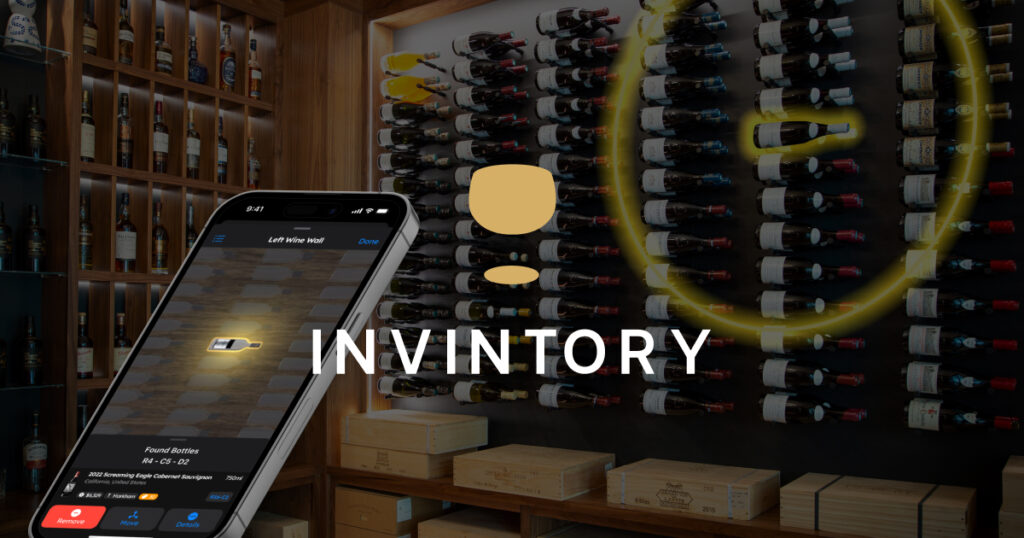
Over the years, my wife and I accumulated a decent wine collection—nearly filling a 300-bottle capacity wine cabinet. What started as a modest hobby evolved into something more substantial. But with growth came chaos.
Our first tracking system was very low tech: wine racks with wine organized by varietal, When the collection outgrew that approach, my wife created a spreadsheet that resembled the game Battleship—a printed grid laminated in plastic with tiny labels stuck in cells corresponding to each bottle’s row and column location in the cabinet. Adding or removing a bottle meant printing a new label or peeling off an existing one. It was time consuming and quite a pain.
The problems compounded as the number of bottles grew. Searching for a specific wine meant scanning dozens of tiny labels. We tried organizing by wine type—Pinots in one section, Cabs in another—but after years of consuming bottles and adding new ones wherever space opened up, the system deteriorated into chaos. Worse, some wines aged past their ideal drinking windows, forgotten and hidden in the back corners of the cabinet.
That’s when I discovered InVintory—both a mobile app and web platform that has greatly simplified how we manage our wine. It’s probably one of the most useful software products I’ve used in years.
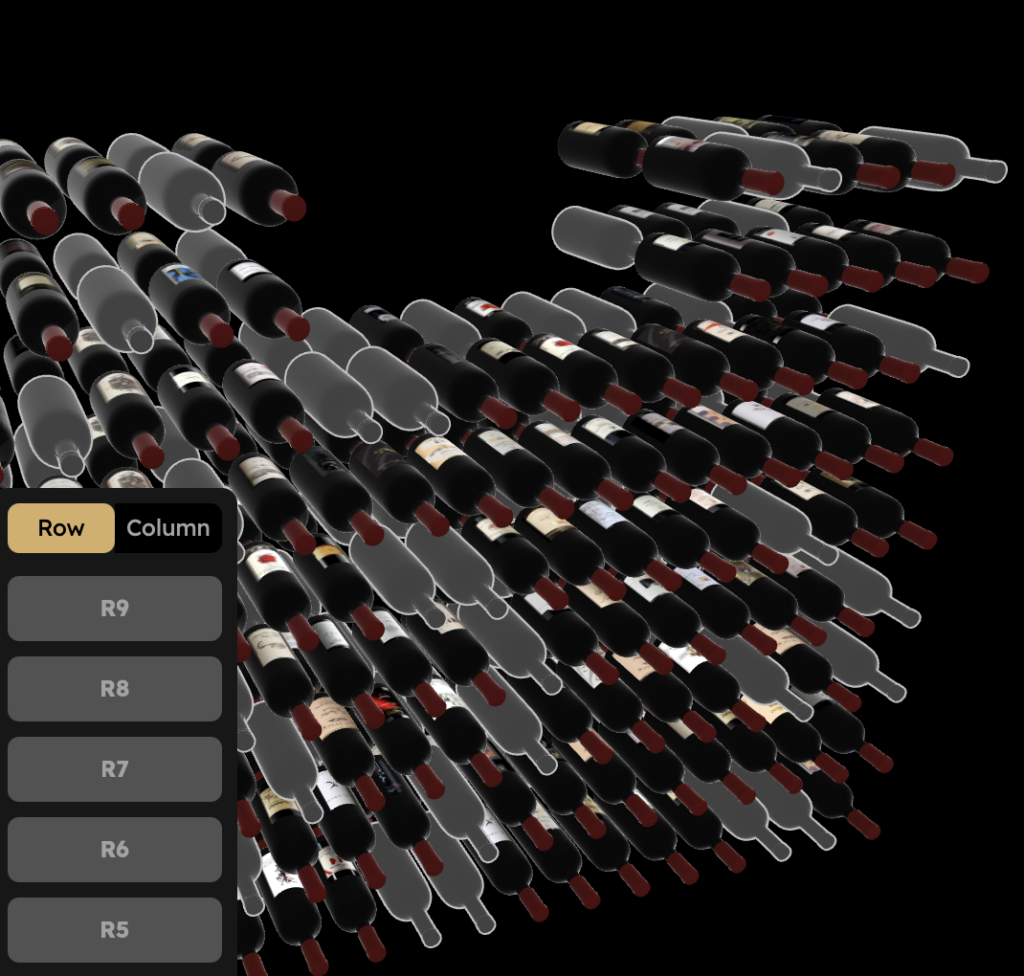
InVintory’s core innovation is spatial visualization. You start by creating a 3D digital model of your wine storage—whether it’s a temperature-controlled cabinet as I have, wine racks, or even cases in a closet. The app lets you configure the exact layout: number of shelves and bottle capacity per row. I also added stickers in the cabinet that labeled the rows and columns to correspond to the 3D model.
Adding bottles now is simple. I photograph the label with my phone’s camera. InVintory’s image recognition identifies the wine from its database of over 2 million bottles—pulling up the producer, vintage, varietal, region, and reviews. No typing “Château” or figuring out how to add the umlaut. The system handles nomenclature consistently across the entire collection, which makes searching and filtering infinitely easier than my wife’s handwritten labels ever were.
Once identified, I assign the bottle to a location in the digital cabinet, such as Row 3, Column 10. That bottle then appears—represented by its actual label—in the corresponding slot of the 3D model. Then I simply place the bottle into the corresponding physical slot of my cabinet.
After spending a few afternoons pulling every bottle from my cabinet, scanning each one, and placing it back in any available location, we had a complete digital representation of our collection. The benefit is that I can place any bottle, regardless of its type, anywhere there’s an empty slot. Physical organization no longer matters.
Here’s where InVintory pays for itself. many times over. When you want a bottle, you search by any parameter—producer, region, varietal, vintage, price range, or drinking window. Select your wine, and the app illuminates its exact location on the 3D model. You walk to your cabinet and pull it out from the designated location.
We can also view our collection as a sortable list, filter by country or grape, or ask the app to show me everything that’s entering its ideal drinking window this year. That last feature alone has prevented several expensive bottles from aging past their drinking window, more than paying for a year’s subscription.
InVintory also tracks market values and collection worth. I’m not a wine investor —I We buy what we like and drink what we enjoy—but seeing the aggregate value laid out clearly was eye-opening. Three hundred bottles averaging $40 amounts to $12,000. That realization changes how we think about storage conditions and what we consume.
The app pulls current market prices from multiple sources, so you can see which bottles have appreciated since purchase and it helps you make better decisions about what to drink now versus what to cellar longer.
The mobile app and web platform sync seamlessly, so I can browse my collection on my laptop while researching a wine’s background, then locate it instantly on my phone when I’m standing at the cabinet.
InVintory was founded in 2018 by brothers Jeff and Josh Daiter, who built it out of their own frustration with existing wine tracking solutions. They wanted something modern, intuitive, and useful enough for those with more than a few dozen bottles of wine.
InVintory offers a free tier (called Aspire) that handles unlimited bottles and basic tracking. The Premium tier ($14.95/month or $119/year), which is what I have, unlocks the 3D VinLocate technology, market valuations, cellar analytics, and an AI wine assistant that can answer questions about your collection.
For anyone managing more than a few dozen bottles, InVintory solves a real problem elegantly. The initial time we spent logging in our bottles paid off immediately in time saved and wines we found that were reaching the end of their drining window.

My wine rack holds maybe 30 bottles in my wine cellar (basement, next to my workbench). When my wife and I split a bottle over pizza on Friday evening, I just close my eyes and grab the first bottle I find. Inelegant but effective.