
As we begin 2026 and peer back at 2025, the tech landscape has been a mix of ambitious breakthroughs and some truly spectacular misfires. While “worst” is a matter of personal opinion, several products this year stood out for failing to meet their massive hype, suffering from critical design flaws, or simply offering poor value.
Here are several of the worst hardware tech products of 2025:
1. The “iPhone Air”

Marketed as a revolutionary ultra-thin design, the iPhone Air was on life-support shortly after arrival. Users reported that the goal of thinness led to abysmal battery life and a device that was prone to overheating. It was a “style over substance” product that lacked the multi-lens camera and other features expected from its premium price tag. You’d think Apple would have learned after decades of missteps driven by its obsession for thinness. Rumors are that there will not be an iPhone 18 version of it.
2. Humane AI Pin
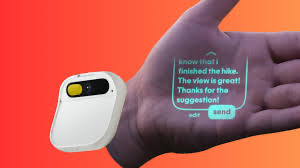
2025 was the year the Humane AI Pin officially collapsed. After reports of fire risks from its charging case and a series of “hallucination” scandals where the AI gave confidently wrong information, sales were halted and a number of its assets and employees moved on to HP. This was a company that had more hype than any product since the iPhone with a Ted Talk that captured the tech world and $300 million in investments from very smart people, yet it failed to deliver on much of anything it promised.
3. Samsung Galaxy Z Fold 7
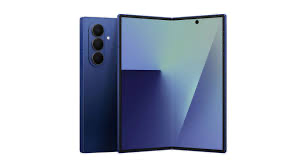
Despite being a pioneer in the space, Samsung’s Galaxy Z Fold 7 has become a “foldable flop.” Reviewers pointed to a lack of innovation compared to earlier models, but the real issues are durability. Persistent reports of screen creasing and a hinge mechanism that proved more fragile than other models led to a significant dip in consumer trust. It proved that company as big as Samsung can fail in its basic responsibility to deliver a lasting product.
4. Meta Ray-Ban (Gen 2) Smart Glasses
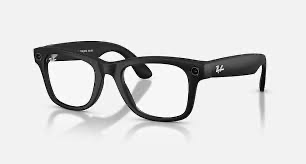
While stylish, the second-generation Meta Ray-Bans became a privacy nightmare. The device was frequently criticized for recording footage without clear indicators to bystanders, and the integrated AI often misinterpreted voice commands. Users also found the AI to be more intrusive than helpful, leading to high return rates.
5. Tesla Cybertruck

2025 was the year the Cybertruck’s real-world reliability was put to the test, and the results were messy. Numerous recalls for accelerator pedals and trim pieces detaching at highway speeds plagued the vehicle. Furthermore, owners reported “stainless steel” panels showing signs of rust and staining after minimal exposure to rain. It’s one of the ugliest vehicles on the road and a financial failure for Tesla due to it poor sales numbers.
6. The $300 Smart Water Bottle and the $99 Smart Water cap
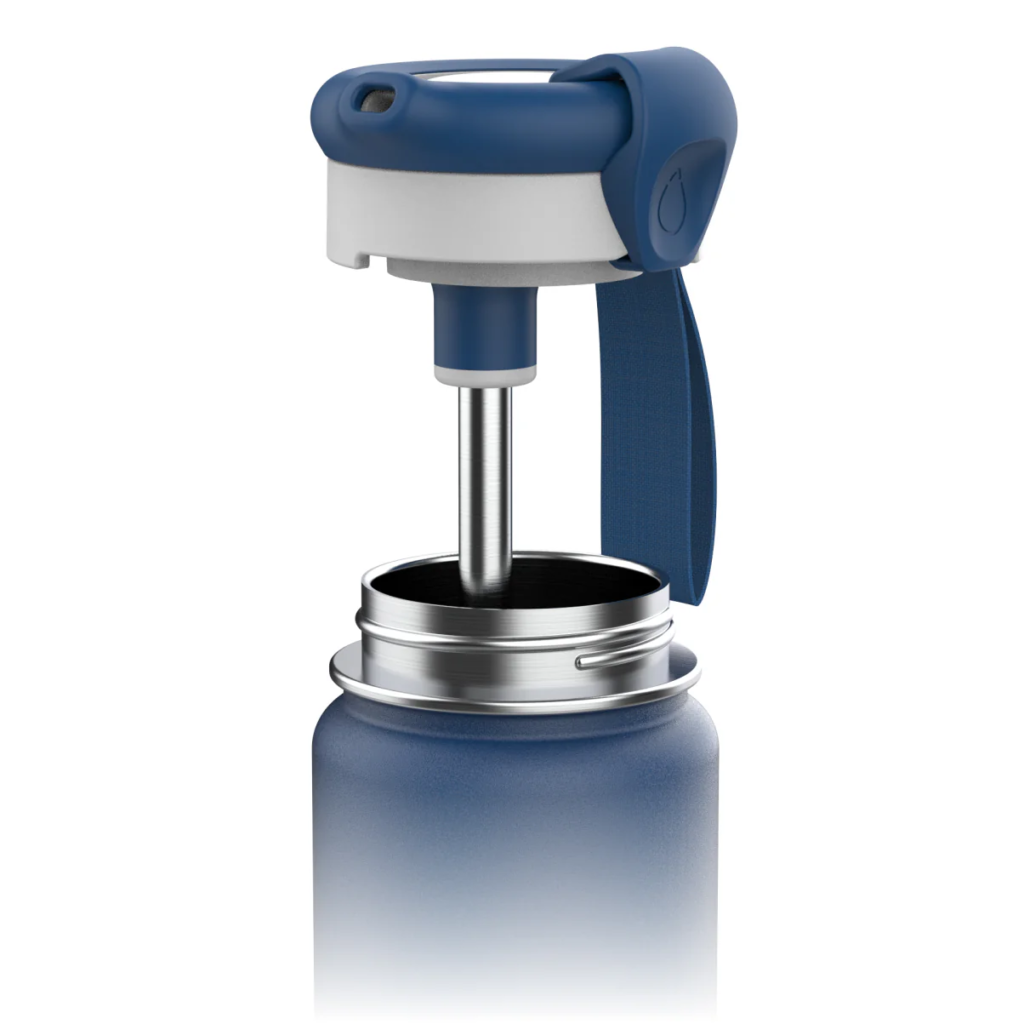
Representing the “smart versions of dumb objects” trend, several high-end smart water bottles and caps were released this year were heavily mocked. These devices require nightly charging and a monthly subscription for “hydration tracking.” Most users realized that their bodies already have a built-in thirst notification system that didn’t require an app.
7. Kohler “Insight” AI Health Toilet
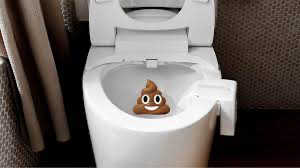
The prize for “The Hardware No One Asked For” goes to Kohler’s $599 AI toilet scanner. It used cameras and sensors to analyze “waste” for health indicators. Aside from the obvious bathroom privacy concerns, the device required a monthly subscription just to see your own data. It was a literal example of flushing money down the drain.
8. The Swippitt “Phone Toaster”
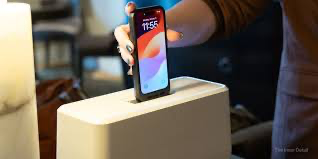
The “What were they thinking?” award goes to Swippitt, a $500 countertop appliance designed to mechanically swap your phone’s battery (located in an add-on case). It required a bulky, proprietary case and took up as much space as a real toaster. In a world of fast-charging bricks and MagSafe battery packs, the Swippitt was a complex, mechanical solution to a problem that didn’t exist.
9. Samsung’s “Ad-Pocalypse” Family Hub Refrigerators
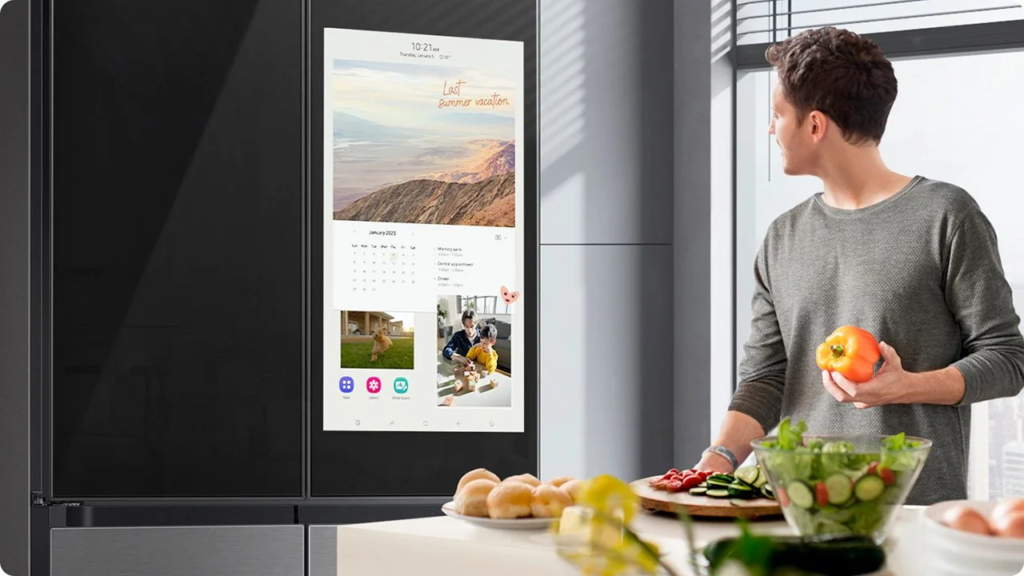
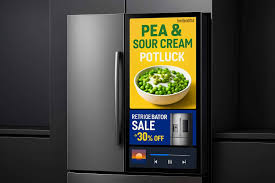
One of the biggest controversies of the year involves Samsung’s decision to push forced advertisements to the 21.5-inch screens of Family Hub refrigerators via software updates. Consumers who paid $3,000+ found their kitchen appliance transformed into a digital billboard. Users reported that the ads slowed down the interface and made the cover Screen, (previously used for family photos, cluttered. The only way to remove the ads entirely is to disconnect the fridge from the Wi-Fi, which kills the very “smart” features customers paid a premium for.
Summary – What’s interesting with these products is that many come from huge companies that have no excuse for getting them so wrong. They all have huge design and marketing resources to test them out before coming to market. I’m referring to Apple, Meta, Samsung (twice), Tesla, and ChatGPT – a major partner and investor in Humane.
